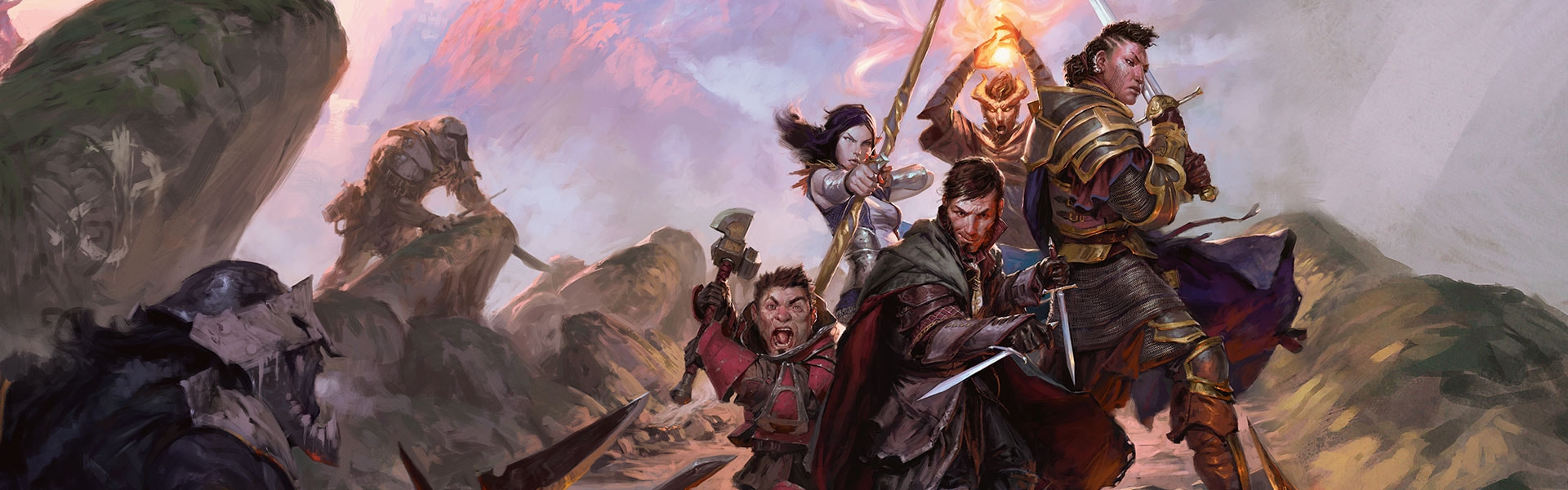
Sword Coast Adventurer's Guide Cover - Wizards of the Coast (Press Kit)
.So far we’ve talked the basics of TTRPGs, popular actual plays and how to find a group. This week we’re continuing in our conversation on Session 0 by talking about themes, genre and setting for your D&D game. These can sound like 3 ways of saying the same thing but they are actually very helpful categories for figuring out exactly what kind of game you want to join.
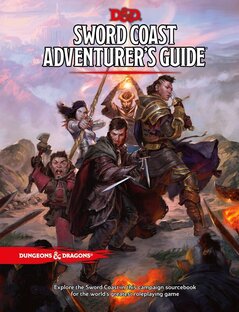
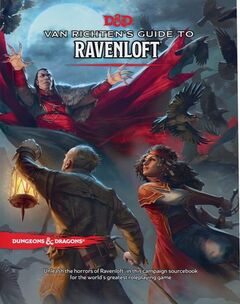
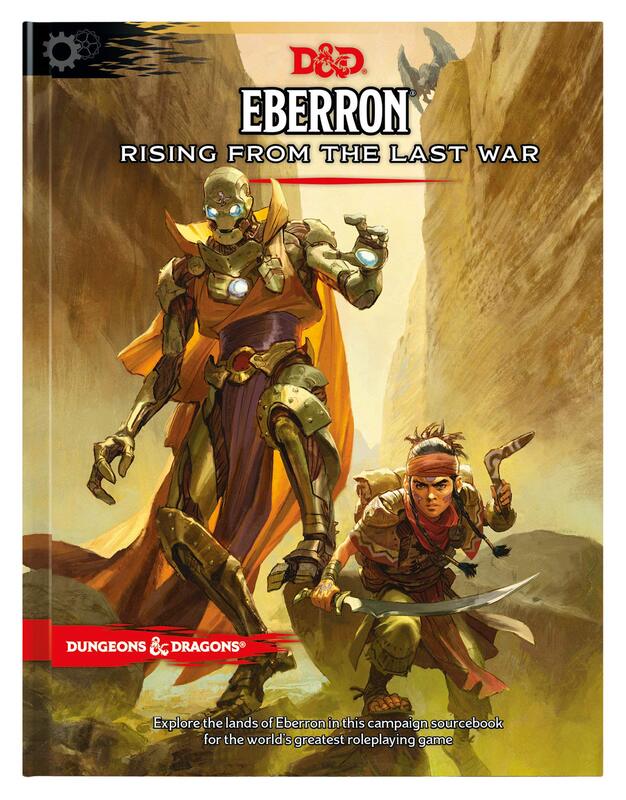
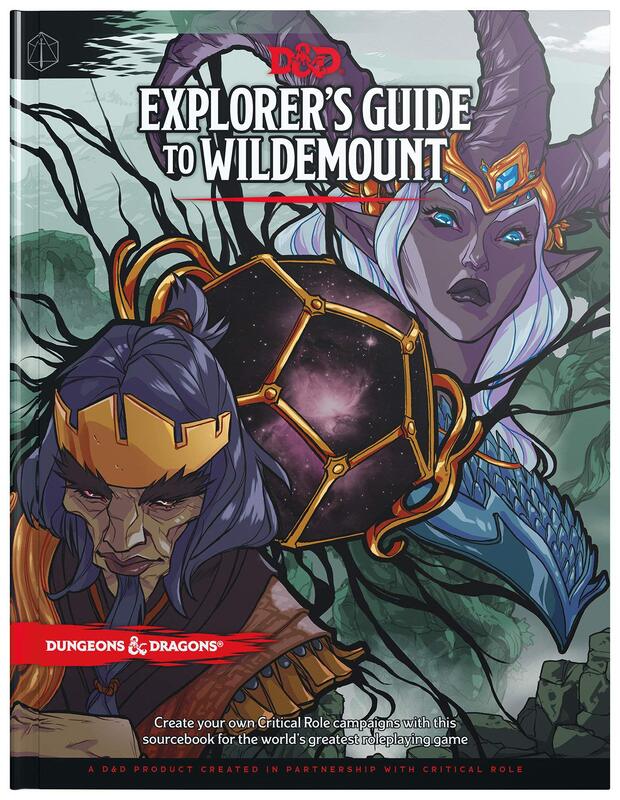
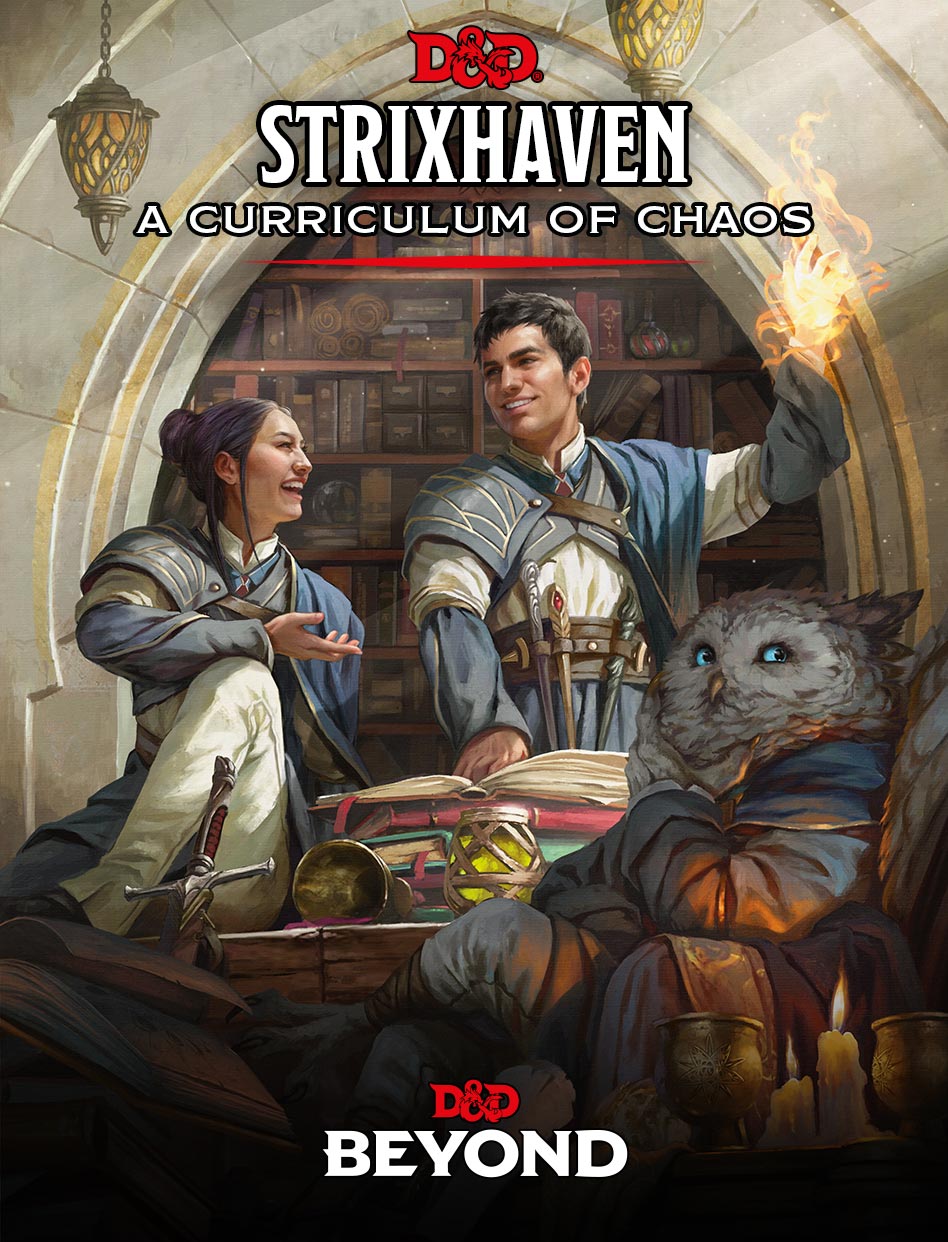
Genre is the same as any other context. It’s the big aesthetics, structure and style that the game will draw from. There is horror themed D&D (like the famous Curse of Strahd adventure). There is whimsical fantasy and fairy tales (like Wild Beyond the Witchlight). There’s also Weird West, High Fantasy, Low Fantasy, Sci-Fi, Post-Apocalypse and Comedy and more (and any number of those thrown in a blender together). A lot of games go with a sort of Tolkienesque European inspired medieval fantasy but its not the whole range by any means. In fact a lot of popular actual plays delve into all sorts of strange genres even though they still use D&D. Genre is the big picture stuff. As a player it is a big heads up on the kinds of challenges your characters will face and even some big hints on the kinds of characters who will really plug in and engage well with the world. In a straight up Horror game you probably wouldn’t want to bring a silly comedic character like a knight from Monty Python’s Holy Grail (although in a mash up Comedy-Horror that would be so much fun). In a Weird West game you are probably going to want to lean into Western, Horror and Steampunk tropes. Grizzled gunslingers, wanderers with mysterious pasts, snake oil salesmen with twirling mustaches who get chased out of town. And you know to expect things like desert travel, livestock rustling, shoot outs and tense confrontations in saloons over poker games. The genre helps imply these sorts of details. Themes can be more specific ideas that run through the world. Critical Role Campaign 2 notably emphasized a kind of political and institutional moral ambiguity that stretched across national lines as a central theme. In my own modern fantasy game we engage with themes of cross-cultural issues and complex national histories that influence the present day, all played out through the interactions of humans and the fey. These themes help zero in a bit on the kind of story the group is trying to tell together. They’re smaller chunks of story framing than genre but give you similar hints. If a theme in a campaign is debate or even violent opposition to arcane magic (Like Dragon Age), being a Wizard means you get to be right in the center of that theme. But if you play a Fighter you might not be able to engage as much with it. Setting gets very specific about how all these ideas fit together into a cohesive package. In D&D terms setting usually refers to the whole world. All the locations and NPC’s and themes and genre etc. There are two big branches when it comes to settings. First there are official published settings. These are settings created by Wizards of the Coast and updated through various books and adventures (and often accompanying fiction or other media). I’m gonna give a brief rundown of some of the current ones: Official Settings
This should at least give you an idea of the official settings out there. But keep in mind that these can play very differently at the table. A few tweaks can turn Ravenloft and its vampire master Strahd into Twilight, Buffy or What We Do In the Shadows. A shift in tone can make the Forgotten Realms a gritty crime story or a post-apocalypse. Most DMs and tables will make small tweaks to the lore and vibe so don’t always assume that a certain setting means it will look and feel exactly like the books.
Homebrew Settings
There are also homebrew settings. This is when a DM (and often the players) participate in the challenging but rewarding task of building a new world to play in. These settings can get totally off the wall and cover ground that the official books don’t. My own library of homebrew settings includes everything from a modern urban fantasy (streaming every Monday) to a surprisingly dark world populated entirely by muppets. These worlds can open up new types of stories and let players customize the world to the sorts of things they want to explore.
If you’re looking at joining a homebrew game, be extra thoughtful with some of the Session 0 questions we talked about in the last entry. The trade off for the extra creative freedom is that when things go off the rails there are even less boundaries built into the world to stop things from getting out of hand. If you’re looking at joining a homebrew game, ask lots of questions about themes, tone and setting so you can be sure it’s something you want to join (and so that once you’ve joined you can make a character that fits well). Why It Matters
So things to remember. These big campaign questions of setting, themes and genre will help you see what kind of story you’re jumping into. They can give you tools to identify potentially problematic or exciting elements of the game for you personally. They can also help you see what sorts of characters will be interesting to play in these worlds.
There are also sometimes mechanical/rule differences to be aware of. Some settings might not allow certain races, classes, items or spells. A low magic world might not have full casters or no healing magic. Many worlds won’t allow firearms or Artificers. And sometimes there are rules that help enforce the tone. Most games won’t worry too much about PCs eating/drinking/carrying/traveling in great detail. Certainly most don’t worry about non-magical ammo. But if you’re going to play a gritty survival oriented game suddenly that could change. Sometimes a thing might be allowed but only in a way that fits the lore. In my modern fantasy world (up to this point) almost all the non-humans are various flavors of Fey and related creatures. Certain worlds might only have humans or have no humans at all. These are important topics that will help you know if a world is right for you and how best to be a part of it. And we’ll be back next week to say a bit more about these sorts of rules and close out our Session 0 talk with House Rules. If you've played some D&D what has been your favorite setting, homebrew or otherwise? New players, what setting or genre are you most excited to play in? Let us know in the comments! See y’all next week!
0 Comments
|
AuthorHi! I'm Colby. DM, Nerd, IRL Cleric and Writer. Archives
June 2022
Categories
All
|
 RSS Feed